Published: May 21, 2026 | Reading Time: 7 minutes
A Guide to Woodwind Instruments
Woodwind instruments belong to a family of musical instruments within the more general category of wind instruments. The defining feature of a woodwind instrument is the way it produces sound: either by blowing a concentrated stream of air across a mouthpiece edge (like a flute) or by blowing through a vibrating piece of cane called a reed (like a clarinet or oboe).
The Woodwind Paradox: Why are Metal Instruments "Woodwinds"?
A common point of confusion for beginners is seeing a shiny, silver flute or a golden saxophone and wondering why it is called a "woodwind." The answer lies in both history and physics.
Historically, early flutes were carved entirely from wood. More importantly, it is about how the sound is produced. Brass instruments (like trumpets and trombones) require the player to buzz their lips into a cup-shaped mouthpiece. Woodwinds, regardless of what they are made of today, rely on either a vibrating wooden reed (saxophones, clarinets) or the splitting of an air stream over an edge (flutes). Thus, a metal flute and a brass saxophone are firmly in the woodwind family!
History of Woodwind Instruments
The history of woodwind instruments spans tens of thousands of years, originating from some of the earliest musical devices crafted by human hands.
- Ancient Era: Early ancestors of woodwinds, such as simple flutes made from animal bones or hollow reeds, date back to prehistoric times. Some of the oldest discovered bone flutes are estimated to be over 40,000 years old.
- Middle Ages and Renaissance: Instruments like the recorder, shawm (the loud, piercing ancestor of the oboe), and early transverse flutes became immensely popular in Europe. They were often played in "consorts"—groups of similar instruments built in different sizes to cover all vocal ranges.
- Baroque Era (1600-1750): This period saw significant advancements in instrument design. The oboe and bassoon began taking their modern forms, and the transverse flute (played sideways) started replacing the recorder in orchestras due to its larger dynamic range and projection.
- Classical Era (1750-1820): The clarinet was invented around 1700 and became a standard part of the orchestra by the late 18th century, famously championed by Mozart. Early keys were added to woodwinds to improve intonation and allow for playing in more complex keys.
- Romantic Era to Present: The 19th century brought massive mechanical improvements. Inventor Theobald Boehm revolutionized the flute in 1832 by developing a complex system of rods and keys. This Boehm system was later adapted to the clarinet, oboe, and saxophone, leading to the highly versatile and mechanically complex instruments we use today.
Comparing the Instruments
Below is a breakdown of the key characteristics and differences between the flute, recorder, clarinet, oboe, piccolo, and bassoon.
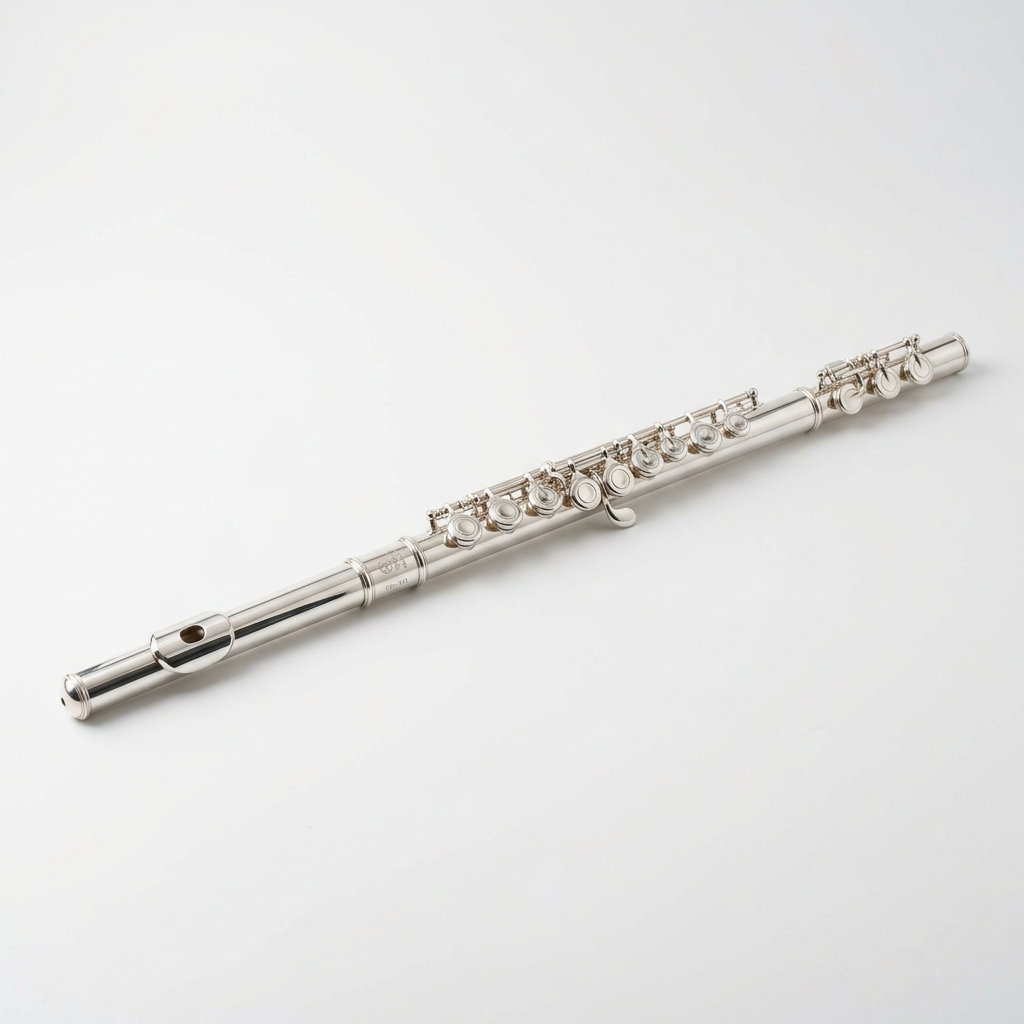
Flute
Material: Typically made of metal (silver, gold, or platinum) today, though historically made of wood.
Sound Production: Sound is produced by blowing a stream of air across the embouchure hole, splitting the air stream. It is a non-reed instrument.
Tone: Bright, clear, and incredibly agile. It has a very large range and is often given fast, virtuosic, bird-like melodies in orchestras.
Orientation: Played transversely (held horizontally to the right).
Open Virtual Flute →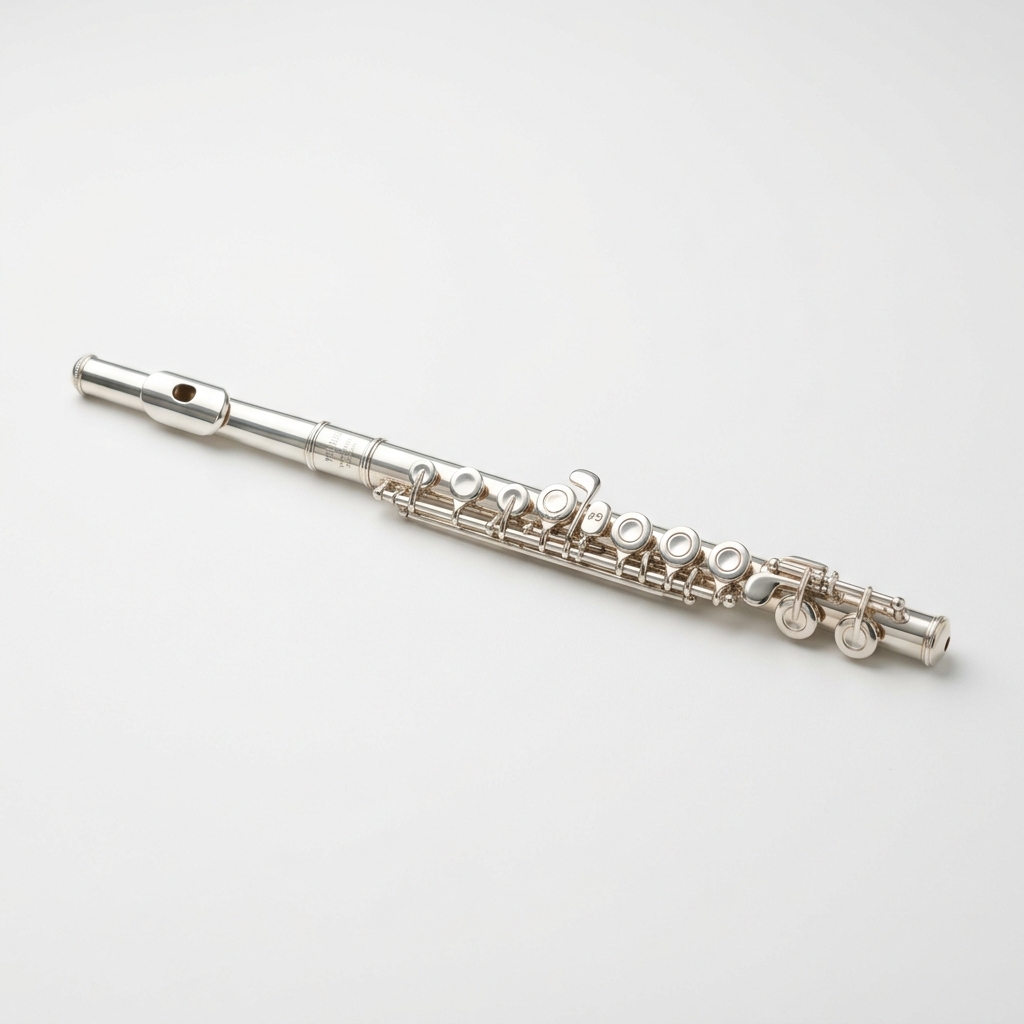
Piccolo
Relationship: The piccolo is essentially a half-sized flute.
Material: Often made of wood, plastic, or metal.
Tone: Very bright, piercing, and brilliant. It plays an octave higher than the standard flute and is one of the highest-pitched instruments in the orchestra.
Role: Used for sparkling highlights, lightning-fast runs, and cutting through dense, loud orchestral textures (like the famous solo in "The Stars and Stripes Forever").
Open Virtual Piccolo →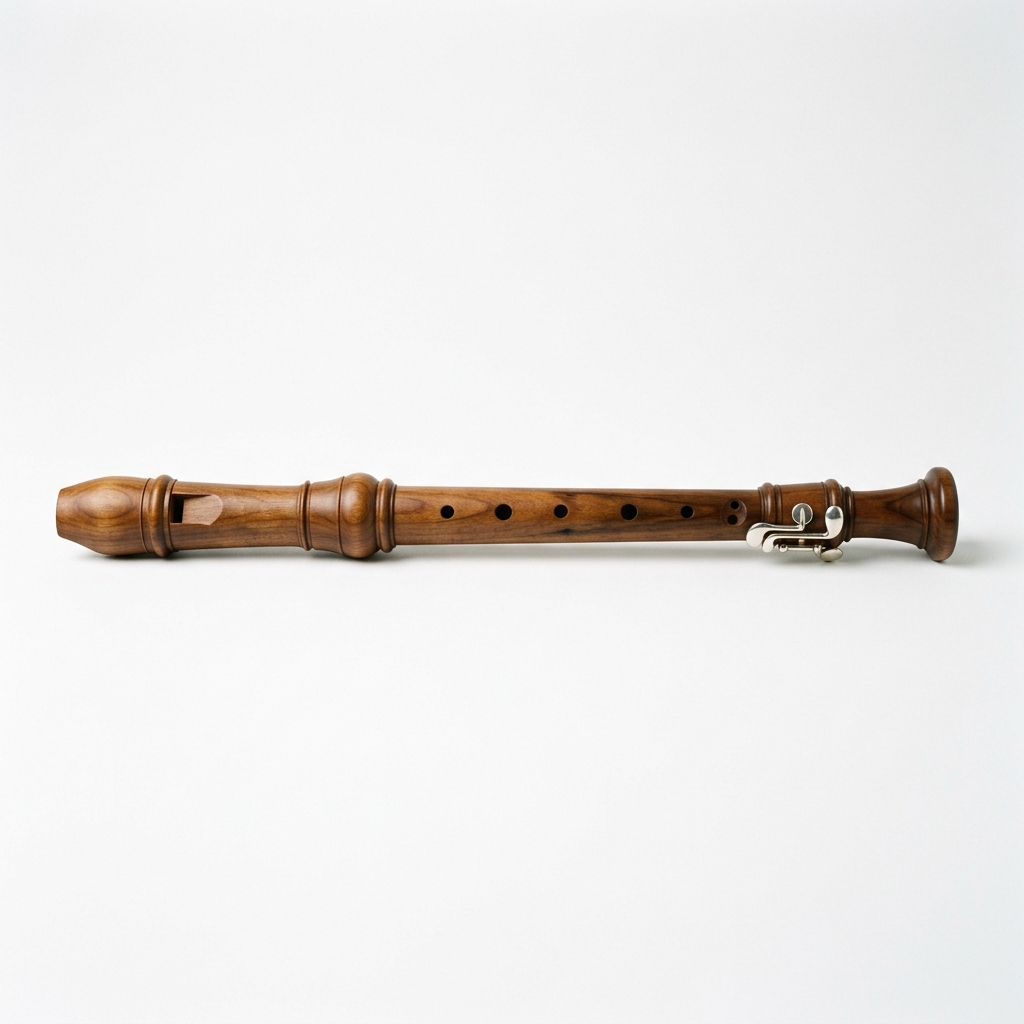
Recorder
Material: Traditionally wood, but commonly plastic for modern student models.
Sound Production: A "fipple" flute. The player blows directly into a whistle-like mouthpiece, which does the work of directing the air against a sharp edge.
Tone: Soft, sweet, and somewhat breathy.
Orientation: Played vertically in front of the body.
Note: While often seen as a children's toy today, it was a highly respected instrument in the Renaissance and Baroque eras.
Open Virtual Recorder →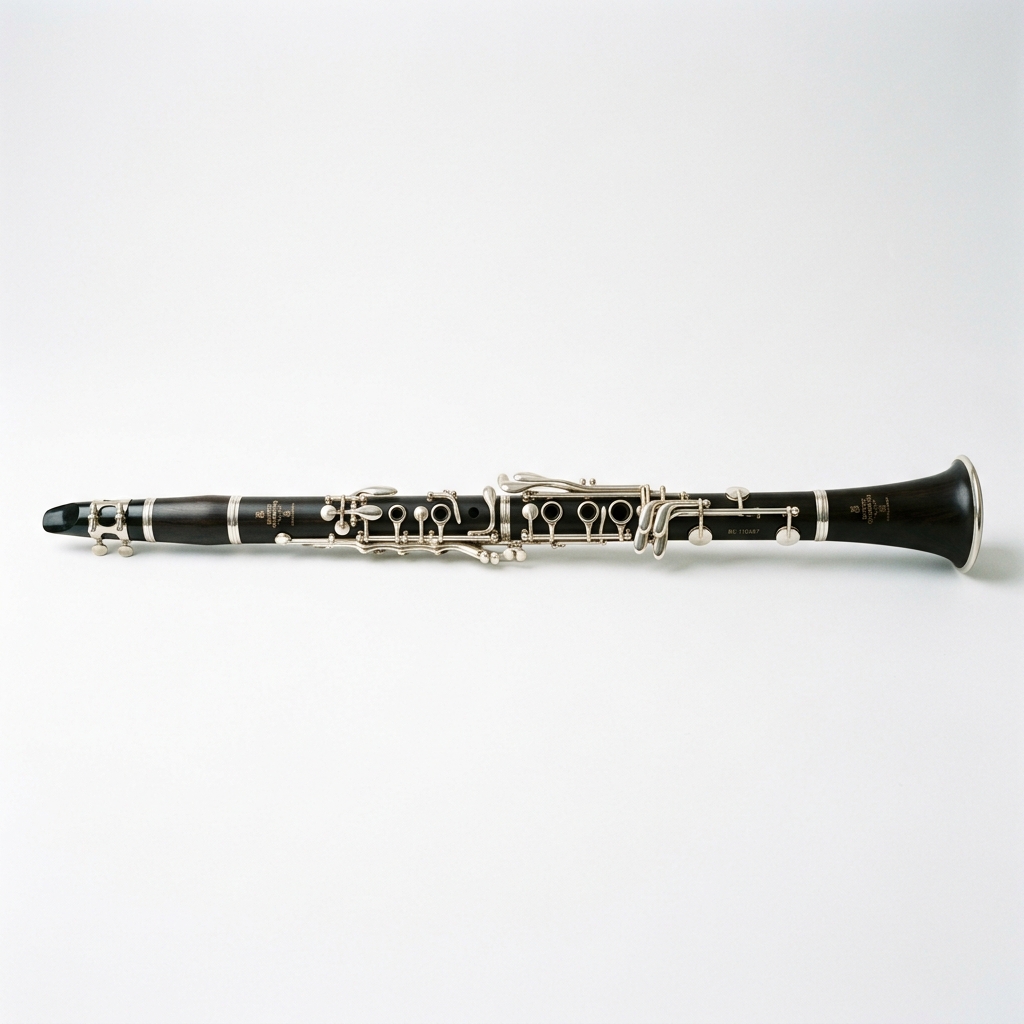
Clarinet
Material: Traditionally African blackwood (grenadilla), but beginner models are often durable plastic resin.
Sound Production: Uses a single reed attached to a mouthpiece by a metal or leather ligature. The player's air makes the reed vibrate against the mouthpiece.
Tone: Extremely versatile. It can be warm, dark, and hollow in its low register (chalumeau), and bright and ringing in its higher registers. It boasts the widest dynamic range of all woodwinds.
Open Virtual Clarinet →Oboe
Material: Traditionally made of dense wood (grenadilla).
Sound Production: Uses a double reed—two pieces of cane tied together. The player blows directly through the tiny opening between the reeds, causing them to vibrate against each other.
Tone: Distinctive, piercing, nasal, and highly expressive. It is known for its "singing" quality and is often used for poignant, mournful, or pastoral melodies.
Role: Due to its stable pitch and penetrating sound, the oboe traditionally plays the tuning "A" for the entire orchestra before a performance.
Open Virtual Oboe →Bassoon
Material: Made of wood (typically maple).
Sound Production: Like the oboe, it is a double reed instrument. However, the reed is attached to a curved metal tube called a "bocal" or "crook."
Tone: Dark, resonant, reedy, and sometimes comical. It covers the tenor and bass registers of the woodwind family.
Design: The wooden body is very long (about 8 feet if uncoiled) and is folded in half (a "U-turn" at the bottom) to make it manageable to play.
Beginner's Guide: Which Woodwind Should You Choose?
If you are looking to start your musical journey, woodwinds are a fantastic entry point. Here is a quick guide to help you choose:
- The Recorder: The ultimate gateway instrument. It is inexpensive, requires almost no embouchure (mouth position) training, and teaches fundamental breath control and finger coordination.
- The Flute: Extremely popular and highly portable. The initial challenge is producing a sound (similar to blowing across a soda bottle), but once you master the embouchure, fingerings are relatively straightforward.
- The Clarinet: An excellent first reed instrument. It teaches you how to manage a single reed, and the fingerings lay a perfect foundation if you ever want to transition to the saxophone later on.
- Oboe and Bassoon: Generally not recommended for absolute beginners. Double reeds are notoriously difficult to control, and the instruments themselves are very expensive. Most players start on flute or clarinet before transitioning to double reeds in high school or college.
A Note on Maintenance
Unlike pianos or guitars, woodwinds require daily maintenance. Moisture from your breath builds up inside the instrument while playing. It is critical to use a silk or cotton swab to dry the inside of the instrument after every practice session to prevent the wood from cracking or the pads from rotting. Additionally, reed players (clarinet, oboe, bassoon) must constantly buy, rotate, and care for their fragile cane reeds.
Summary of Key Differences
| Instrument | Sound Production | Reed Type | Orientation | Typical Tone Quality |
|---|---|---|---|---|
| Flute | Blowing across a hole | None | Horizontal | Bright, agile, clear |
| Piccolo | Blowing across a hole | None | Horizontal | Piercing, brilliant, high |
| Recorder | Whistle mouthpiece (fipple) | None | Vertical | Sweet, soft, mellow |
| Clarinet | Vibrating single reed | Single Reed | Vertical | Versatile, wide dynamic range |
| Oboe | Vibrating double reed | Double Reed | Vertical | Nasal, penetrating, expressive |
| Bassoon | Vibrating double reed | Double Reed | Vertical | Dark, reedy, low-pitched |
Conclusion
While all these instruments fall under the woodwind family, the method of sound production—from the edge-blown flute and recorder to the single-reed clarinet and double-reed oboe and bassoon—gives each instrument its own unique voice and role in musical ensembles. Whether you prefer the glittering runs of a flute or the dark, chocolatey tones of a clarinet, there is a woodwind instrument for every personality.